
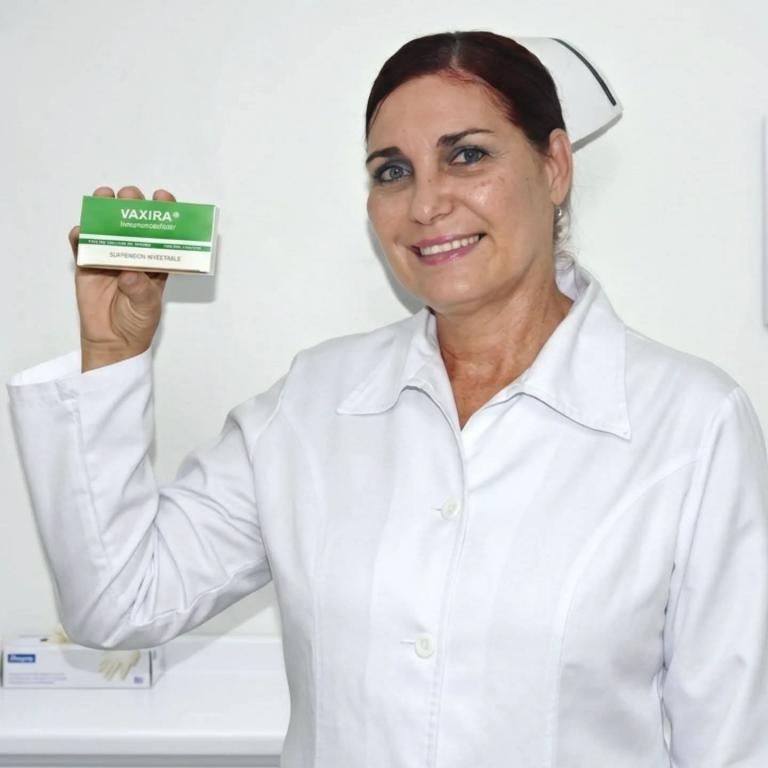
Cuban science has achieved another milestone with Vaxira, a therapeutic vaccine developed by specialists at the Center of Molecular Immunology (CIM) for the treatment of non-small cell lung cancer, one of the most common and aggressive forms of cancer worldwide.
Vaxira works by stimulating the immune system to recognize and attack the N-glycolyl GM3 ganglioside, which is present in more than 90% of these tumors. Its mechanism promotes the progressive inactivation and elimination of cancer cells, offering patients an effective and safe therapeutic alternative.
Since its initial registration in 2013, more than 3,000 people have received the treatment. Follow-up studies conducted between 2014 and 2024 show a median survival of 14.4 months and reveal that more than 20% of patients survive beyond five years, results that confirm the vaccine’s positive impact under real-world healthcare conditions.
One of its main advantages is that it can be administered within primary healthcare settings, with low levels of toxicity and without the severe adverse effects commonly associated with other conventional treatments.
The development of Vaxira has also been accompanied by significant scientific and industrial achievements, including the completion of a Phase III clinical trial, the expansion of production capacity to benefit more than 50,000 patients annually, and the granting of three international patents.
Previously recognized with the Cuban Academy of Sciences Award and the Cuban Office of Industrial Property Award, Vaxira received the National Innovation Award 2025, honoring the talent and perseverance of those who have transformed scientific research into a tool for saving lives.
Vaxira is currently regarded as one of the therapeutic options for advanced lung cancer with one of the best safety profiles available, and its results are comparable to those achieved by the leading therapies in modern oncology worldwide.