
Traditional royal festivities in the United Kingdom form part of British identity and, over the centuries, have brought together diverse sections of society. These celebrations form part of the country’s cultural heritage and are characterised by specific dress codes, the ritual of afternoon tea and, where applicable, military parades.
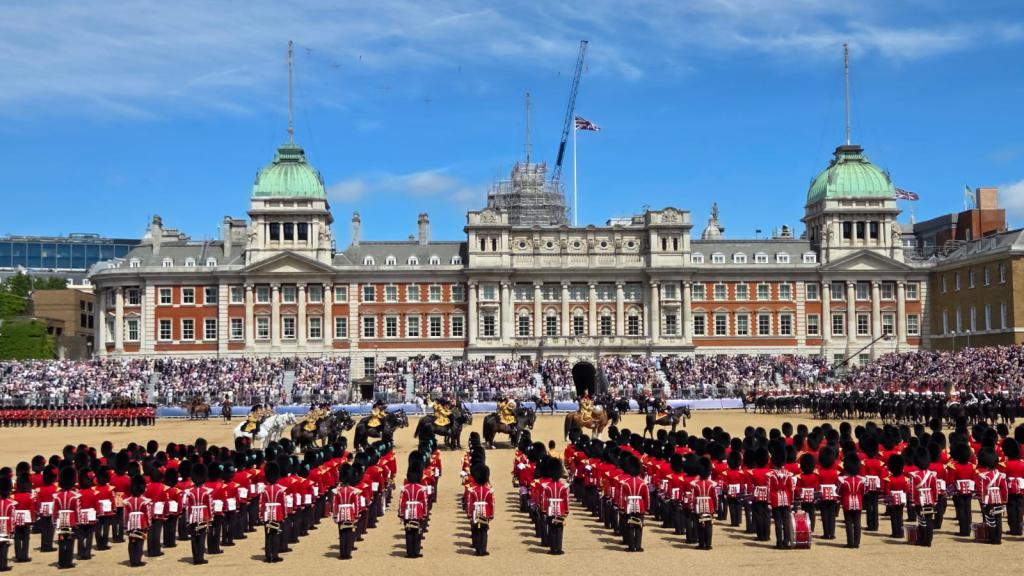
Most of these events take place in spring and summer, a period when numerous tourists join in the activities in the city centre, as is the case with the military parade known as Trooping the Colour.
Invitations to many of these events are extended to the diplomatic corps accredited to the United Kingdom – which comprises more than 170 missions to the Court of St James’s – as part of efforts to foster cultural understanding and strengthen ties between nations. In addition, representatives from various sectors of society and the general public attend these events, at which specific codes of etiquette are observed, as is the case at Ascot.
The Trooping the Colour is a military parade which attracts thousands of British citizens and international visitors every June. The tradition dates back to the reign of Charles II in the 17th century, when regimental standards (known as ‘colours’) served as landmarks on the battlefield and had to be recognised by the troops. Over time, this military ritual became associated with the celebration of the King’s official birthday, set in June for climatic reasons, and from the late 19th century onwards it took on the form we know today.
The programme includes a flypast by Royal Air Force aircraft over Buckingham Palace and a 41-gun salute in the famous Green Park, coinciding with the Royal Family’s appearance on the balcony before foreign delegations and the gathered public.
Another of the traditional events is the Garden Parties, renowned for being organised by the British Crown and aimed at various sectors of society and the diplomatic corps. Their origins date back to Victorian-era receptions and, over the years, they have become established as a way of recognising community service and the work of civil, religious, military and diplomatic institutions. Traditionally, three are held at Buckingham Palace and one at Holyroodhouse Palace in Scotland, bringing together a total of more than 30,000 guests each year.
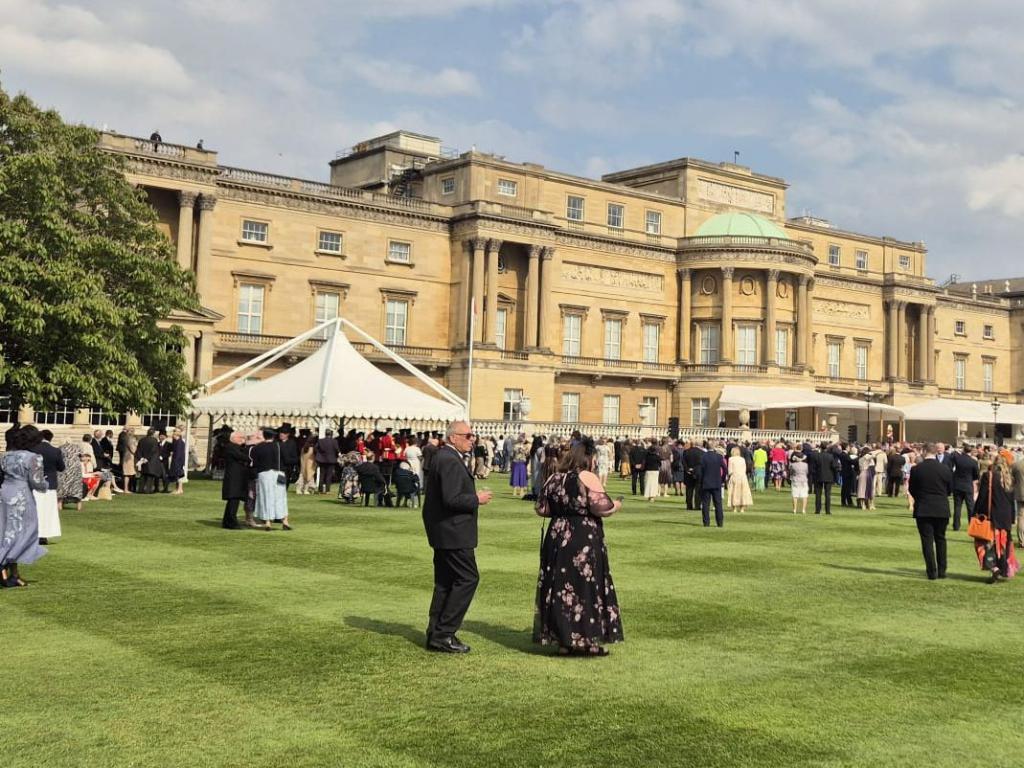
The event provides a forum for interaction between the diplomatic corps and representatives from various sectors.
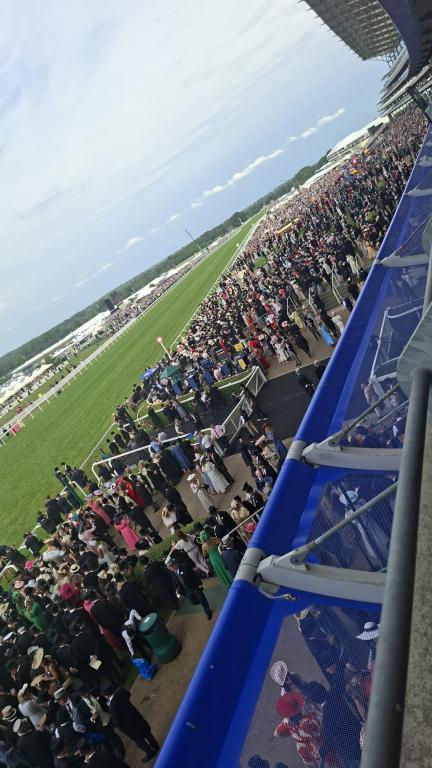
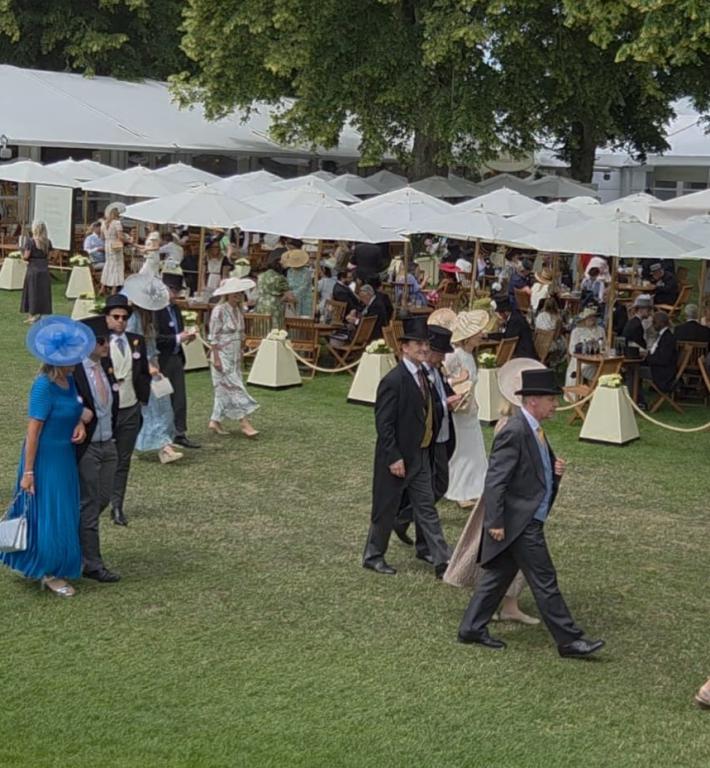
Another major social event for British society, including young people and teenagers, is the renowned Royal Ascot. These horse races are held at the racecourse in Berkshire, on the outskirts of London, and are a tradition dating back to 1711, when Queen Anne founded the venue on Crown land. The event, attended by the Royal Family and running for five days each summer, attracts around 300,000 visitors.
The event combines a formal dress code, which includes the wearing of morning suits and top hats, with activities open to the public centred around the sport of horse racing.
These three events, alongside others such as the annual Winter Diplomatic Reception, state visits and royal audiences, form part of the calendar through which the United Kingdom involves its diplomatic corps in its ceremonial life. For missions accredited in London, taking part in these traditional ceremonies and events of the Royal Household provides an opportunity to gain an insight into the culture, history and customs of the host country, within the framework of the rules of courtesy and reciprocity that govern relations between states.