
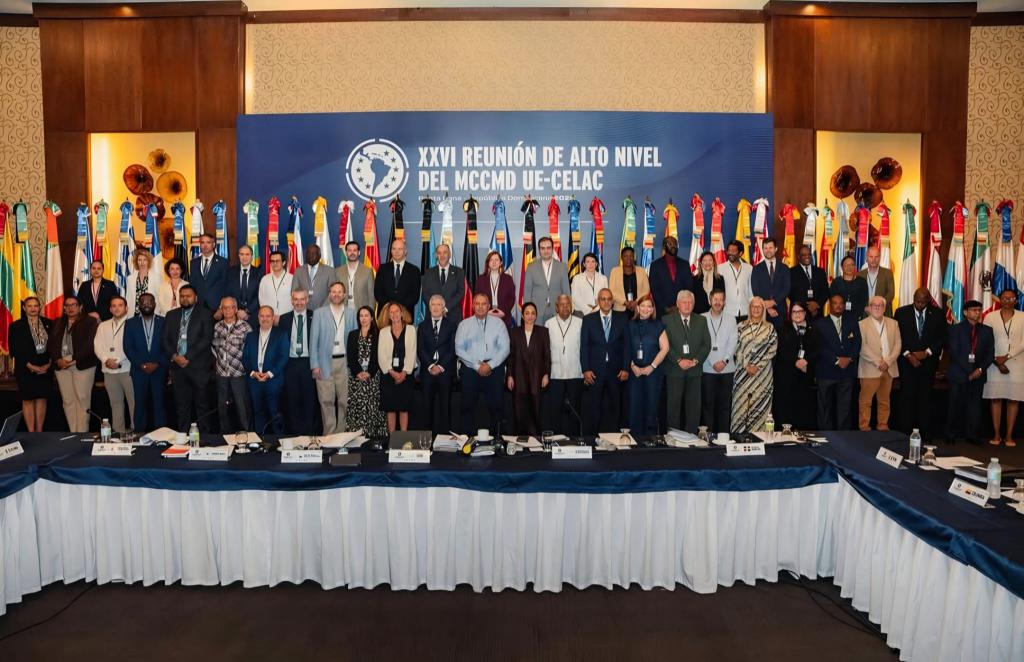
Punta Cana, República Dominicana, 30 de abril.- Cuba denunció el impacto negativo que causa el cerco energético impuesto por los Estados Unidos en sus políticas contra las drogas. Al intervenir en la XVI Reunión de Alto Nivel del Mecanismo de Coordinación y Cooperación UE-CELAC en Materia de Drogas la viceministra de Justicia Pilar Varona se refirió a la limitación de las capacidades operativas e institucionales, así como a las dificultades para el patrullaje de las extensas costas cubanas y la ejecución de operaciones de intersección en el mar Caribe, lo que pone en riesgo la seguridad de toda la región.
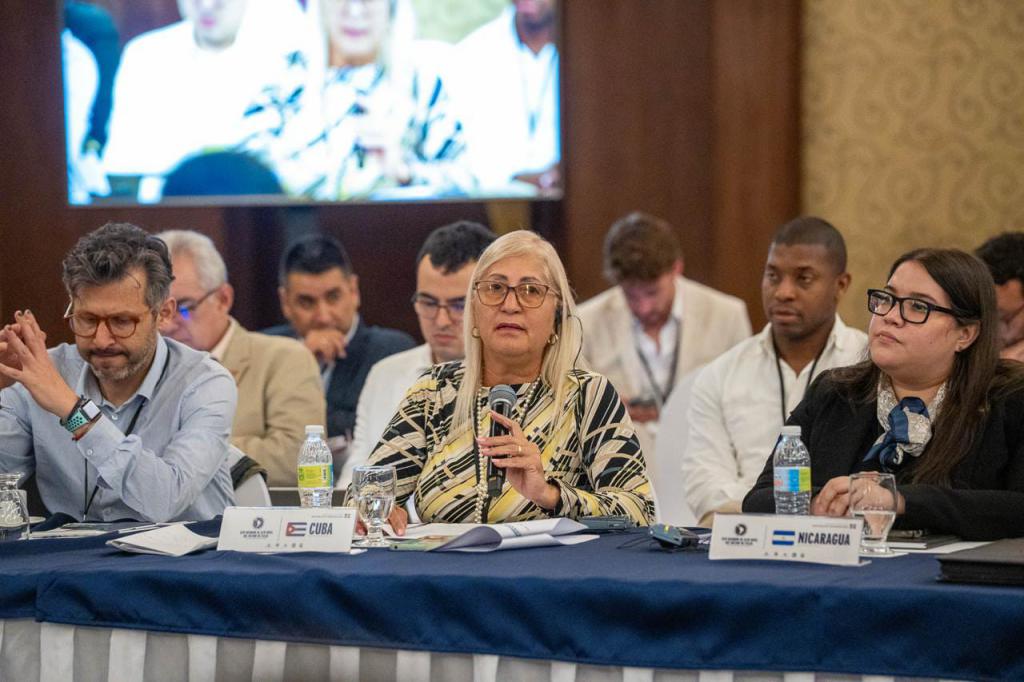
Durante la reunión dos experiencias de Cuba fueron reconocidas como aportes a la implementación exitosa de la Declaración de La Paz en el área del Caribe: la introducción de un sistema de alerta temprana, mediante el Observatorio Nacional de Drogas lanzado en julio de 2025; así como a la realización de intervenciones comunitarias o territoriales con enfoque de prevención, como es el caso de la campaña “Contra las Drogas se Gana.
La cita, en la cual participó además Bryan Gual Navarrete, primer secretario de la Embajada de Cuba en Bélgica, fue clausurada por Luis Abinader, presidente de la República Dominicana.
___________________________________
Cuba Participates in the 4th Annual Meeting of the COPOLAD Program
Punta Cana, Dominican Republic, April 30.- Cuba participated in the 4th Annual Meeting of the COPOLAD Program (Cooperation Program between Latin America, the Caribbean and the European Union on Drug Policy), which took place on April 28 and 29. The Cuban delegation was headed by Pilar Varona Estrada, Vice Minister of Justice of the Republic of Cuba, accompanied by Bryan Gual, First Secretary of the Embassy of Cuba in Belgium and Mission to the European Union.
During the meeting, Vice Minister Pilar Varona participated in the panel dedicated to cooperation on drugs in the Caribbean region, where she reaffirmed Cuba's zero-tolerance policy on drugs. She also emphasized the need to continue integrating the work of the different Caribbean countries on drug policy in order to contribute to the security and prosperity of the region. “The Caribbean can always count on Cuba,” Varona Estrada stated, while reaffirming Cuba’s willingness to share its accumulated experience in prevention, as well as the most relevant findings of Cuba’s National Drug Observatory.
The occasion also provided an opportunity for the Cuban delegation to hold several bilateral meetings, including one with Borja Díaz, director of the COPOLAD Program. The 4th Annual Meeting of the COPOLAD Program precedes the 26th High-Level Meeting of the EU-CELAC Coordination and Cooperation Mechanism on Drugs.
(EmbaCuba Bélgica)