
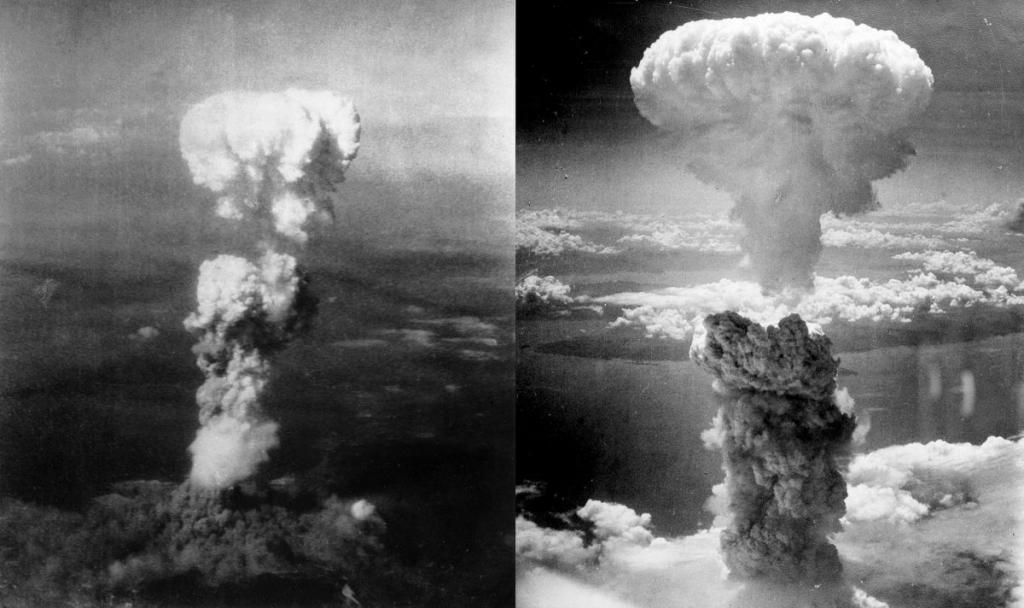
September 26 is United Nations International Day for the Total Elimination of Nuclear Weapons (Nuclear Abolition Day). It was established in 2013 through the adoption of UN General Assembly resolution 68/32 to enhance ‘public awareness and education about the threat posed to humanity by nuclear weapons and the necessity for their total elimination, in order to mobilize international efforts towards achieving the common goal of a nuclear-weapon-free world.’
Yet today, some 15,000 nuclear weapons remain. In contrast with the objectives of UN Agenda 2030, countries possessing such weapons have well-funded, long-term plans to modernize their nuclear arsenals. More than half of the world’s population still lives in countries that either have such weapons or are members of nuclear alliances.
By resolution 71/258, the General Assembly decided to convene in 2017 a United Nations conference to negotiate a legally binding instrument to prohibit nuclear weapons, leading towards their total elimination.
The Conference took place from 27 to 31 March and from 15 June to 7 July in New York. and adopted the Treaty on the Prohibition of Nuclear Weapons, or the Nuclear Weapon Ban Treaty, which is the first legally binding international agreement to comprehensively prohibit nuclear weapons, with the goal of leading towards their total elimination.
It contains a comprehensive set of prohibitions on participating in any nuclear weapon activities. These include undertakings not to develop, test, produce, acquire, possess, stockpile, use or threaten to use nuclear weapons. The Treaty also prohibits the deployment of nuclear weapons on national territory and the provision of assistance to any State in the conduct of prohibited activities. States parties will be obliged to prevent and suppress any activity prohibited under the TPNW undertaken by persons or on territory under its jurisdiction or control. The Treaty also obliges States parties to provide adequate assistance to individuals affected by the use or testing of nuclear weapons, as well as to take necessary and appropriate measure of environmental remediation in areas under its jurisdiction or control contaminated as a result of activities related to the testing or use of nuclear weapons.
The Treaty on the Prohibition of Nuclear Weapons was adopted by the Conference by a vote of 122 States in favour (with one vote against and one abstention) at the United Nations on 7 July 2017, and opened for signature by the Secretary-General of the United Nations on 20 September 2017. It will enter into force 90 days after the fiftieth instrument of ratification, acceptance, approval or accession has been deposited.


