
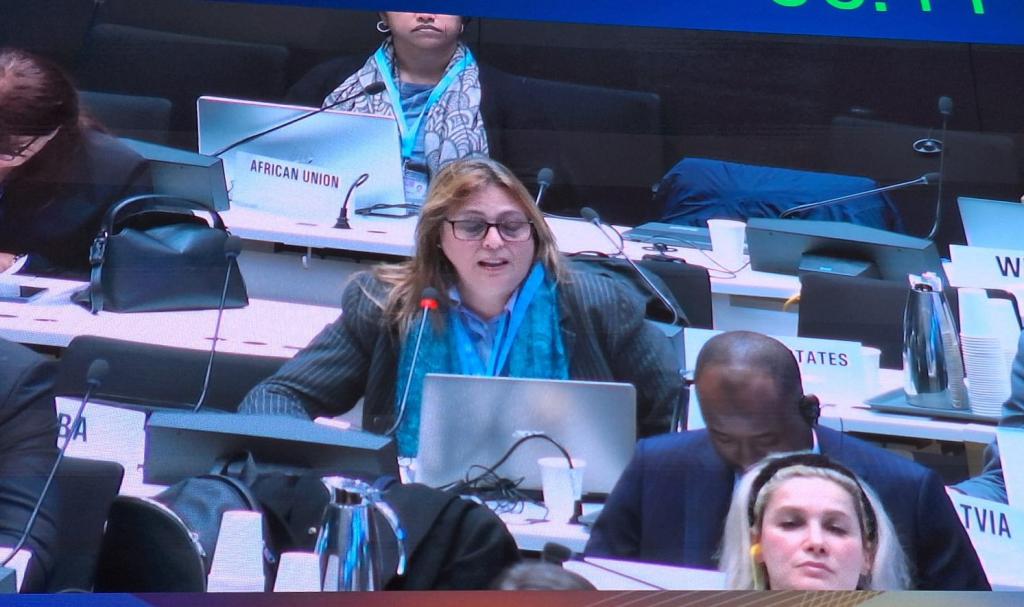
Mr. President,
Cuba thanks the Secretariat for the presentation of document EB158/3, which reflects the concern of the States of the Americas regarding the reduction of the WHO programme budget for 2026–2027 and the consequent decrease in regional allocations.
The imbalance in the distribution of WHO resources among regions persists. Our Region continues to receive the lowest allocation and is the one that benefits the least from effective financing.
This concern is further exacerbated by projections of additional reductions for the 2028 and 2029 cycles, which will deepen existing gaps even further.
These reductions will have direct negative impacts on critical areas such as regional vaccine production, epidemiological surveillance, and the capacity to respond to recurrent epidemics such as Zika, dengue, and chikungunya. They will also affect the implementation of approved regional plans, including those related to noncommunicable diseases and equitable access to high-cost health technologies.
It is necessary and fair to ensure the equitable distribution of resources and to guarantee a response proportional to the real challenges faced by each region.
To achieve this objective, the Cuban delegation considers it a priority that WHO conduct, as soon as possible, a technical review of the distribution of the budget among regions, based on objective criteria.
Mr. President,
During the COVID-19 pandemic, the Region of the Americas was the hardest hit in the world in terms of morbidity and mortality, which widened pre-existing disparities.
Our Region currently faces significant health challenges, including the growing burden of noncommunicable diseases (NCDs), gaps in the elimination of communicable diseases, inequalities in timely surveillance capacities and rapid outbreak response, and health threats related to climate change, among others.
Population ageing in the Region will accelerate in the coming years at an unprecedented pace. By 2030, the number of older persons will exceed that of those under 15 years of age. This will occur 25 years earlier than the global average.
For Cuba, these challenges are further aggravated by the criminal economic, commercial, and financial blockade imposed by the Government of the United States, which has a real, significant, and tangible impact on the health sector.
Cuba is prevented from accessing financing and from acquiring medicines, equipment, medical supplies, and health technologies, as well as vaccines and essential raw materials for their production, resulting in the deterioration of several health indicators, including mortality rates. That illegal blockade costs lives.
In addition, there is the relentless persecution imposed by the United States against Cuban international medical cooperation, using as a pretext a slanderous and malicious narrative.
It is absurd and cruel to seek to deprive Cuba of its legitimate right to maintain a health system that guarantees free, universal, and quality medical care for its entire population, promoting a more just and healthier future for the nation.
Despite these obstacles, Cuba will maintain its unwavering commitment to regional and international health cooperation and to strengthening national and subregional capacities to address common challenges.
We will continue working with PAHO, WHO, and Member States to move toward stronger, more equitable health systems that are better prepared to respond to the needs of our peoples.
Thank you very much.