
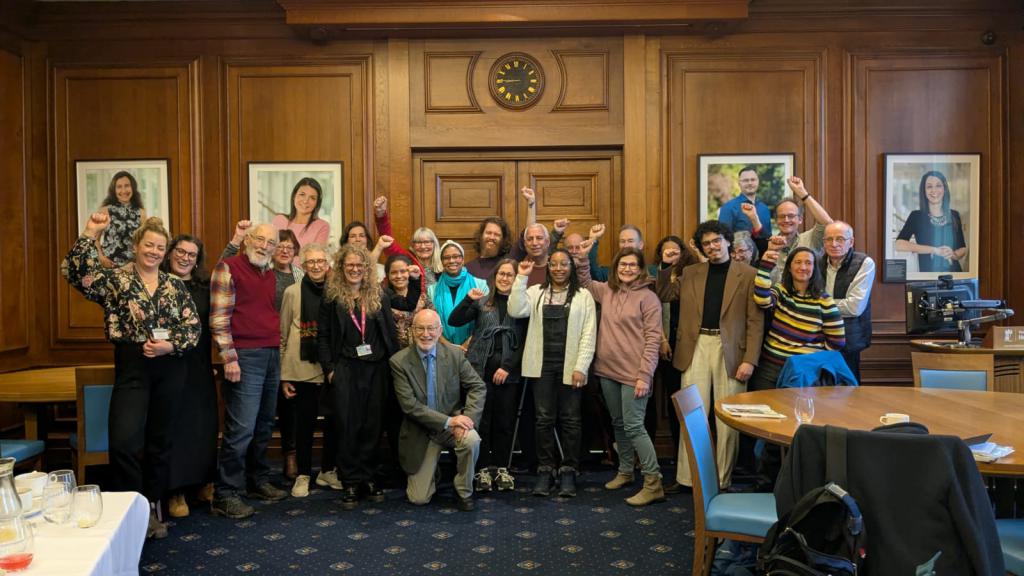
London, 27 February 2026: The historical significance and thinking of Fidel Castro continue to arouse interest in academic centres around the world. In the United Kingdom, the University of Nottingham's Centre for Cuban Studies serves as a vital bridge, bringing researchers and students closer to the reality of the island, supported by the Hennessy Collection, which, with more than 1,400 volumes, magazines and newspapers published since the 1960s, represents an invaluable tool for the international public to understand Cuba directly from its documentary sources.
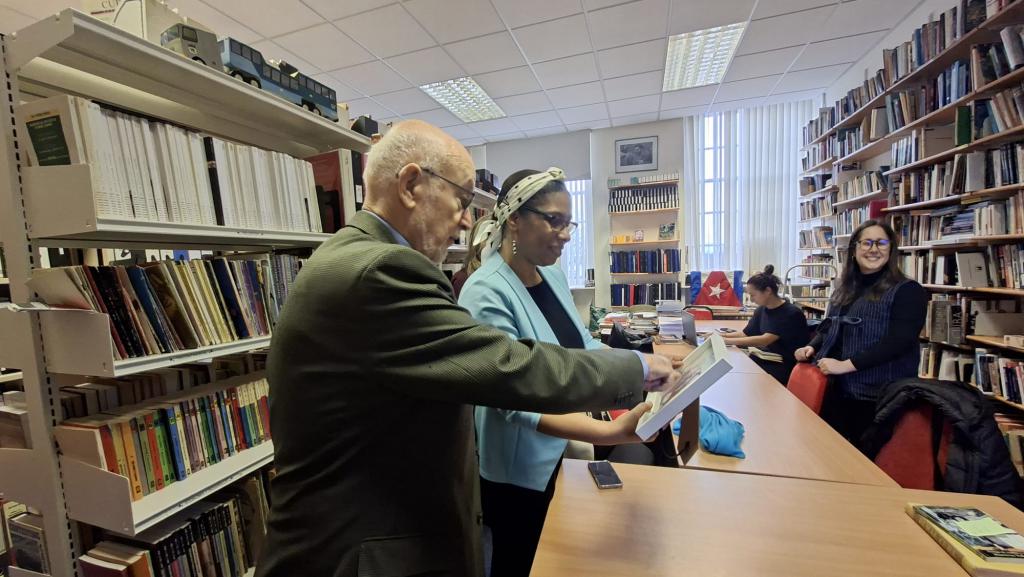
As part of the commemorations for the centenary of the historic leader, Ambassador Ismara Vargas gave a lecture at the Faculty of Modern Languages. The event, sponsored by the faculty, recognised the research work of academics Parvathi Kumaraswami and Antoni Kapcia, close collaborators with Cuban academic institutions in Granma and Havana.
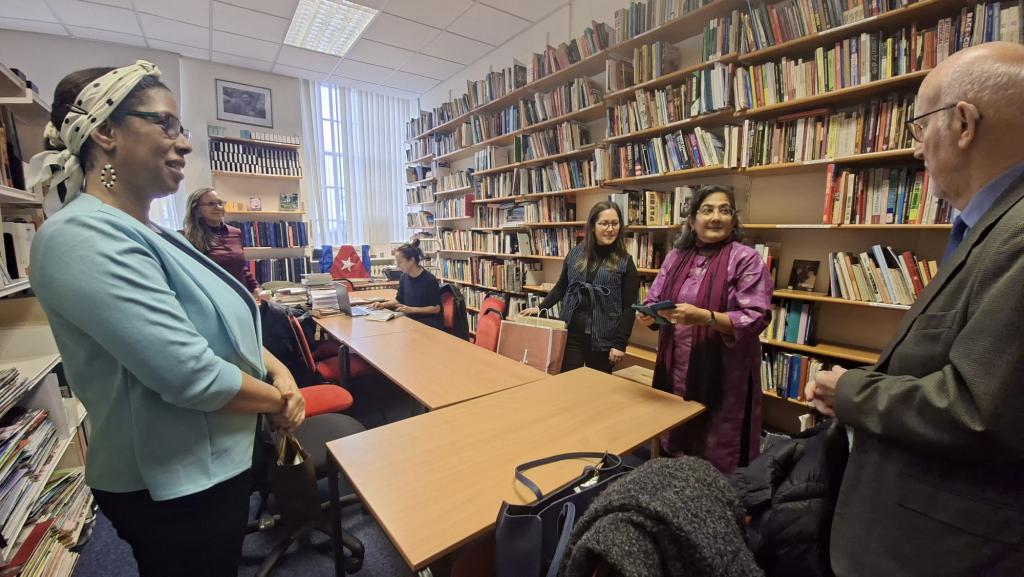
The meeting brought together teachers and students to discuss the evolution of Fidel Castro's Marxist, internationalist and social justice thinking, as well as its impact on Latin America and Africa. During the day, the social pillars built since 1959 in education, health, science and women's rights were analysed, with particular emphasis on how the literacy campaign succeeded in dismantling entrenched patriarchal structures.
Attendees also discussed the complex economic context currently facing Cuba, exacerbated by unilateral coercive measures imposed by the United States.
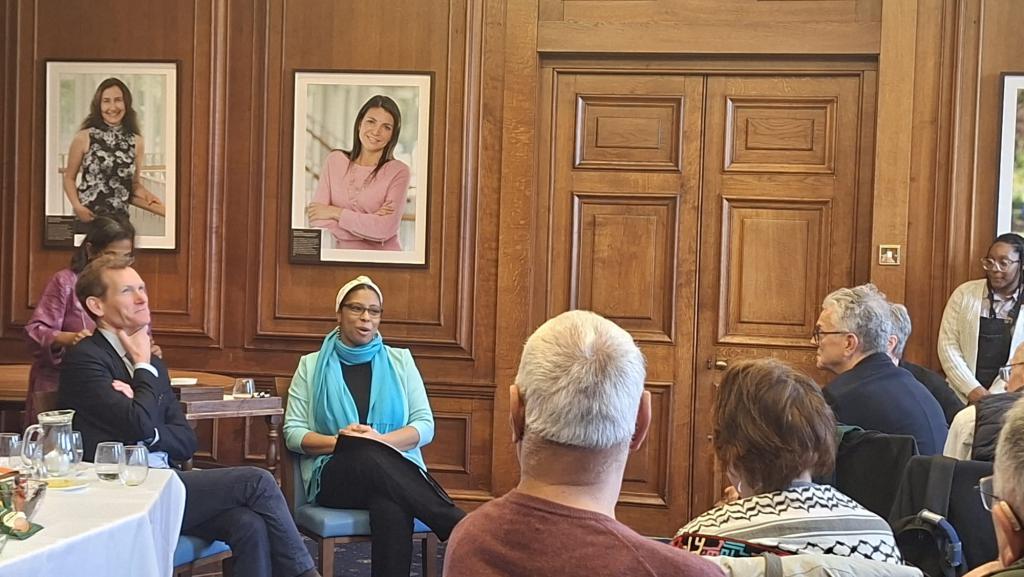
The conference also included a discussion between the Ambassador and Jeremy Browne, Executive Director of Canning House, which was also attended by Susana Barruecos, Head of Political and Public Affairs at the institution. The importance of academic research focused on Latin America was emphasised, and the potential of institutions such as Canning House to make policy recommendations to the British Government was highlighted.
Finally, the ambassador highlighted the importance of the historical relations between Cuba and the United Kingdom, and the potential for progress in the future, especially in the academic and scientific fields.
In this regard, the commitment of academic institutions such as the University of Nottingham is essential to break down media barriers and promote an objective and rigorous analysis of the reality of the island. The tribute to Fidel Castro in the year of his centenary thus transcends historical commemoration; it consolidates itself as a space for intellectual resistance in the face of isolation. From these classrooms in the United Kingdom, the legacy of the leader of the Cuban Revolution proves its full validity, establishing itself as a bridge of understanding and cooperation that challenges the policies of blockade and commits to international solidarity and the future.